
Most experts recommend that you deep clean your house two to four times a year, ideally following a seasonal schedule to ensure a healthy environment. Determining how often should you deep clean your house depends on your lifestyle; however, scheduling comprehensive sessions every three to six months effectively addresses neglected areas like grout and appliances. This regular approach keeps your home in peak condition and prevents the buildup of deep-seated grime over time.
Maintaining a pristine home often feels like a moving target, especially when daily tidying fails to address the invisible buildup of dust and grime. You might wipe your counters every evening, yet still feel uneasy about the hidden allergens in your carpets or the mineral deposits hardening on your bathroom tiles. This disconnect occurs because there is a significant difference between surface maintenance and the restorative power of a true deep clean. Establishing a precise schedule is essential for protecting your property and ensuring a truly hygienic living environment. In this room by room guide, we examine the ideal frequency for intensive cleaning tasks. You will learn how to prioritize high traffic zones, manage seasonal rotations, and identify the specific factors that might necessitate more frequent professional intervention to keep your home in peak condition.
The Difference Between Regular Tidying and a True Deep Clean
Understanding the distinction between routine maintenance and a comprehensive deep clean is essential for maintaining a healthy living environment. Most homeowners perform a weekly maintenance clean, which includes surface-level tasks like wiping down countertops, vacuuming the main floor, and tidying up clutter. While these residential and commercial cleaning services are necessary for day-to-day living, they only scratch the surface of a home's actual hygiene needs.
A true deep clean addresses the accumulated grime and allergens that hide in neglected zones. This includes hand-scrubbing baseboards, cleaning behind and underneath heavy appliances, and sanitizing window tracks. In many ways, the 80/20 rule applies to home maintenance; 20 percent of your effort usually keeps 80 percent of the home looking fine to the casual observer. However, it is the remaining 20 percent of deep, intensive tasks that prevent long-term material damage and respiratory health issues.
Determining how often should you deep clean your house depends on your specific lifestyle, but the goal remains the same: removing the deep-seated dirt that standard vacuuming and dusting simply cannot reach. Neglecting these areas allows dust mites and bacteria to colonize, which can degrade indoor air quality and lead to permanent staining or wear on floors and cabinetry.
Kitchen: The Monthly Deep Clean Target
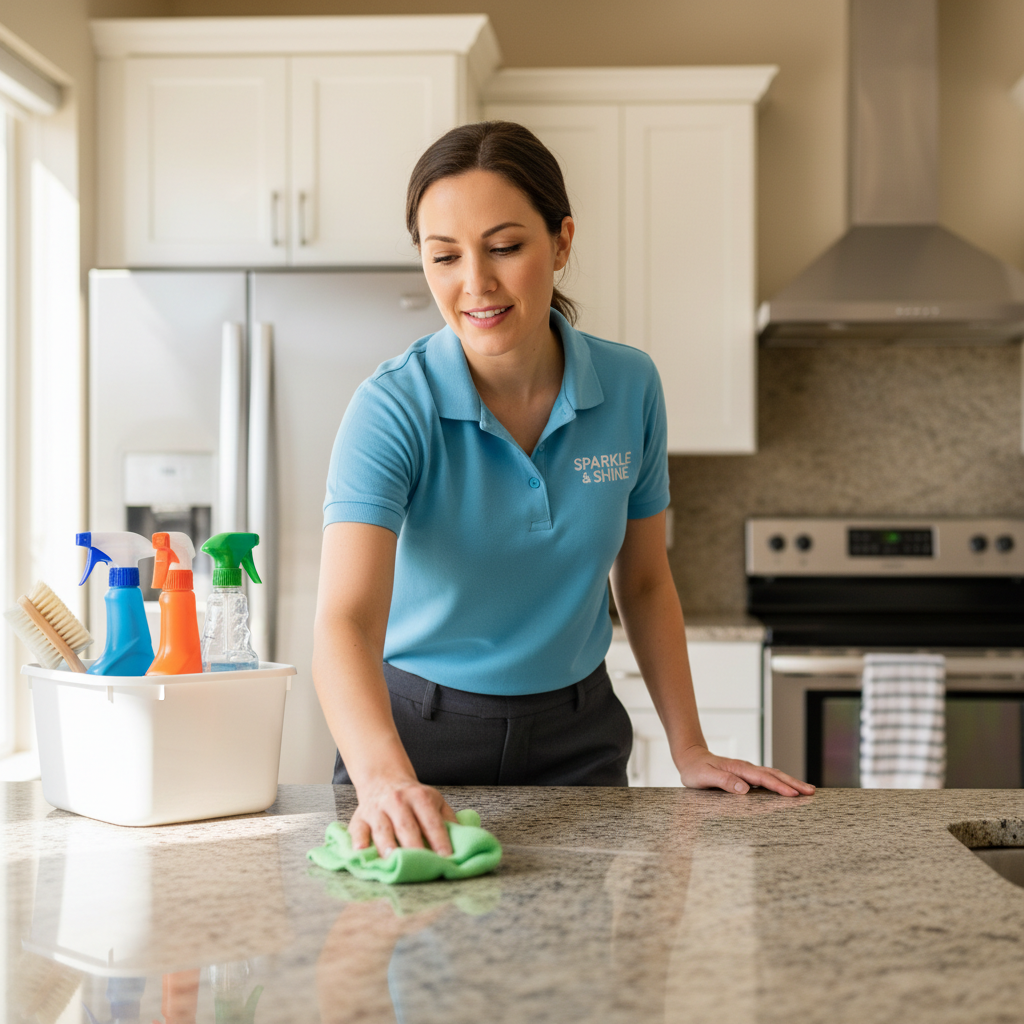
The kitchen serves as the heart of the home, but it is also the primary site for grease accumulation and organic residue. While a weekly wipe-down keeps surfaces presentable, food particles and airborne oils quickly settle into areas that a standard mop or sponge cannot reach. Because of this high-activity environment, the kitchen requires a deep dive every four to six weeks to maintain sanitary standards and equipment efficiency.
Key tasks during this monthly rotation should focus on degreasing the range hood filters, which often become saturated with sticky residue that can impact ventilation. Inside the dishwasher, the filter needs to be removed and rinsed to prevent stagnant odors and ensure dishes come out truly clean. Additionally, pulling the refrigerator away from the wall to vacuum the condenser coils is an essential step for preventing the motor from overheating and extending the life of the appliance. This level of detail is a standard part of high-quality residential and commercial cleaning services, but it is often overlooked during DIY maintenance.
For those living in Juab County, hard water presents a unique challenge that dictates the cleaning schedule. Mineral scale frequently builds up on faucets and around the base of the sink, requiring specialized treatments to dissolve the crust without damaging the finish. When considering how often should you deep clean your house, remember that neglected kitchen grout can absorb oils over time, making it much harder to restore if left for more than a month or two. Consistent attention to these specific zones ensures your food preparation area remains both functional and hygienic.
Bathrooms: High Traffic and Humidity Maintenance
While the kitchen deals primarily with grease and food debris, the bathroom is defined by humidity and organic pathogens. To maintain a truly sanitary space, homeowners should aim to deep clean bathrooms every two weeks to once a month. This frequency is necessary to interrupt the growth cycle of bacteria and mold that thrive in damp environments. When determining how often should you deep clean your bathroom, consider the specific environmental factors in Juab County. Our seasonal humidity shifts, particularly when winter heating systems dry out the air or when spring rains increase indoor moisture, can lead to mold growth in stagnant corners if surfaces are not properly treated.
A thorough deep clean must address the hidden areas often missed during a quick wipe-down. This includes removing the exhaust fan cover to vacuum out dust, which is vital for maintaining proper airflow and reducing moisture levels. Shower curtain liners should be laundered or scrubbed to remove biofilm and soap scum. Furthermore, do not overlook the base of the toilet and the surrounding floor bolts, where grime and moisture collect to create persistent odors and bacteria colonies. By focusing on these neglected zones, your residential and commercial cleaning services routine will effectively prevent the long-term mineral staining and mildew issues common in Utah homes.
Living Areas and Bedrooms: The Seasonal Rotation
Living areas and bedrooms generally require less frequent intervention than kitchens or bathrooms; however, they serve as the primary collection points for dust and airborne particulates. A quarterly rotation provides the ideal balance for maintaining these spaces. In Juab County, our distinct seasonal shifts make this schedule particularly important. The transition from the heavy mud and slush of a Utah winter to the fine, windblown dust of spring necessitates a thorough purge of the home’s interior every three months to protect indoor air quality.
During these seasonal sessions, the focus shifts from surface dusting to intensive soil removal. You should wash all window treatments, including heavy drapes and blinds, which act as filters for outdoor pollutants. This is also the time to move heavy furniture, such as sofas and bed frames, to vacuum the debris that accumulates against baseboards and under the center of the bed. Neglecting these areas allows allergens to recirculate every time your HVAC system cycles.
Shampooing rugs and upholstered furniture is another critical quarterly task. Fibers trap soil that regular vacuuming cannot reach, leading to premature wear and persistent odors. When evaluating how often should you deep clean your house, consider that these soft surfaces hold the majority of a home's particulate load. Utilizing residential and commercial cleaning services for these quarterly rotations ensures that high-traffic areas are treated with the appropriate agitation and extraction methods. This proactive approach prevents the grit from the surrounding rural or industrial landscape from becoming permanently embedded in your carpets and upholstery.
Neglected Zones: The Semi Annual Checklist
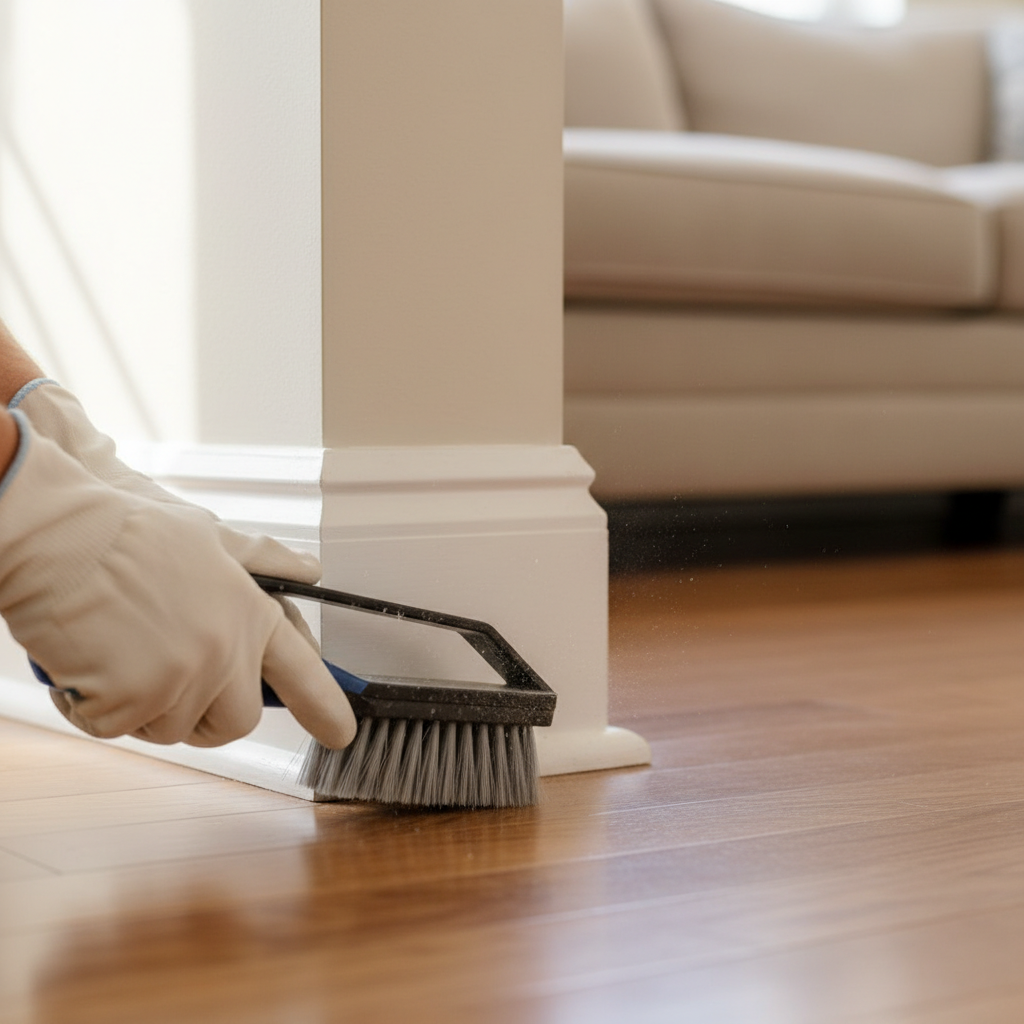
While seasonal shifts handle the bulk of visible dust, certain structural and utility areas require attention only twice a year. When homeowners ask how often should you deep clean your house, they frequently forget the zones that do not immediately impact aesthetics but significantly affect home safety and longevity. A comprehensive professional deep cleaning checklist prioritizes these hidden spots to prevent costly damage.
Dryer vents are a critical semi-annual task; lint accumulation beyond the trap is a primary cause of residential fires. Clearing these vents ensures your appliance runs efficiently and safely. Similarly, washing windows inside and out, including the tracks and screens, should occur every six months to prevent mineral etching and hardware failure. In our region, removing the salt and grit that accumulates on these surfaces is vital for maintaining clear views and functional seals.
Other semi-annual tasks include: - Deep cleaning the pantry: Remove all items to sanitize shelves and check for signs of pests. - Scrubbing garage floors: Removing leaked fluids and road salt helps preserve the concrete finish and prevents tracking toxins into your living space. - Sanitizing trash receptacles: Cleaning the actual bins prevents bacteria growth and persistent odors.
These high-effort tasks are often what separate a standard chore list from professional residential and commercial cleaning services. Tackling these every six months protects the structural integrity of your property.
Factors That Change Your Cleaning Frequency

Determining how often should you deep clean your house is rarely a one size fits all calculation. Several lifestyle and environmental variables can significantly accelerate the buildup of grime and allergens. For instance, the number of pets in your home is a primary factor. Pets introduce dander, tracked-in soil, and biological oils that trap odors in carpets and upholstery. If you have multiple furry companions, you may need to increase the frequency of deep cleaning for soft surfaces to every two months to keep smells from becoming permanent.
Health considerations also dictate a stricter schedule. For residents struggling with asthma or seasonal allergies, the standard quarterly rotation for bedrooms and living areas often proves insufficient. In these cases, monthly deep cleans that focus on dust mite removal and air duct registers are essential for maintaining a safe indoor environment. The age of your property further influences this need; older homes often have more porous surfaces and less efficient seals, allowing outdoor pollutants to infiltrate more easily.
Local geography in Juab County is another critical variable. Properties located near active agricultural zones or industrial areas experience much higher rates of dust accumulation compared to those in shielded, residential neighborhoods. Windborne particulates can settle into window tracks and onto baseboards within weeks. If your home is in a high exposure area, utilizing residential and commercial cleaning services more frequently helps prevent this heavy grit from damaging your flooring and finishes.
DIY vs Professional Deep Cleaning: When to Call for Backup
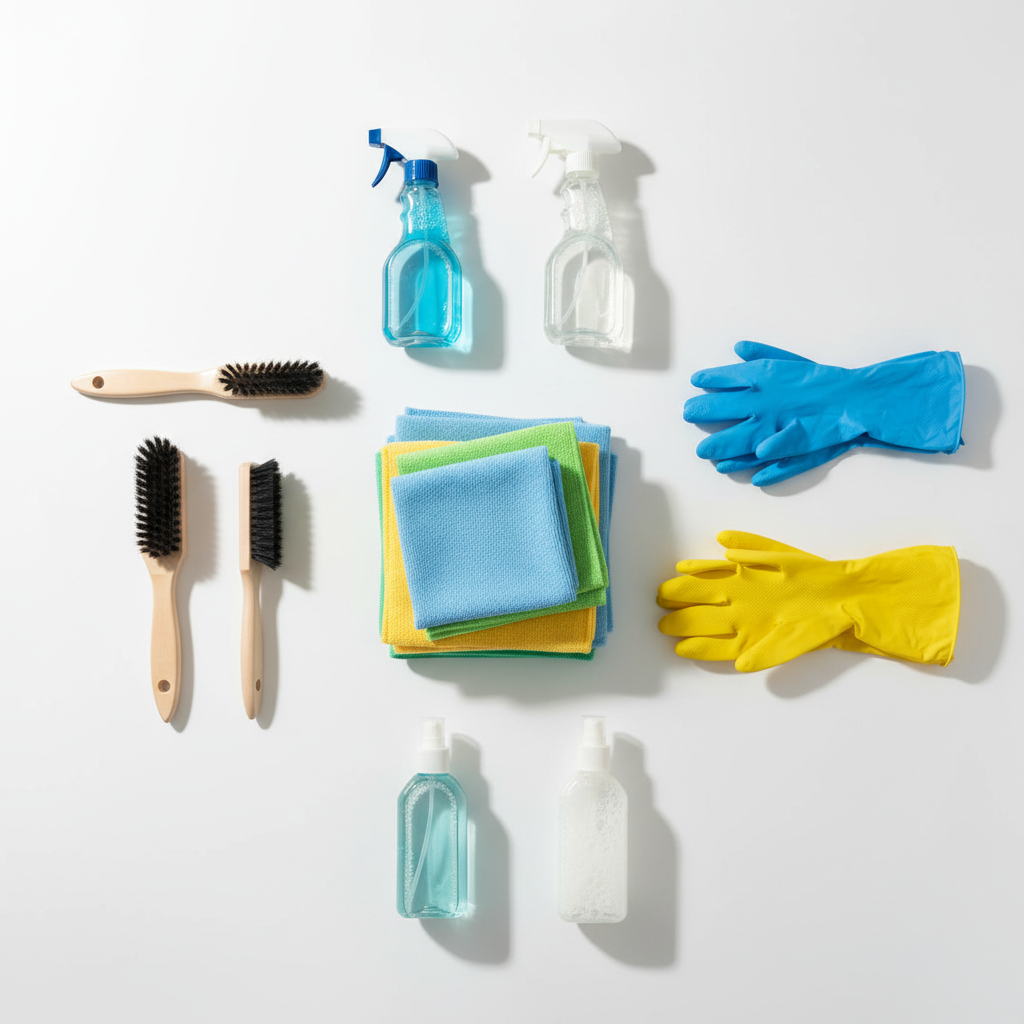
Deciding between a weekend of labor and hiring a specialist often comes down to the value of your time and the level of sanitation required. A homeowner might spend sixteen hours over a Saturday and Sunday attempting a thorough scrub, yet still miss the technical details that experts catch. To prepare for a professional team, many residents adopt the 5 5 5 rule for decluttering: find five items to donate, five to discard, and five to relocate to their proper storage. Clearing these surfaces allows technicians to focus entirely on deep-seated pollutants rather than moving personal items.
Professional residential and commercial cleaning services bring commercial-grade equipment that far exceeds the capabilities of standard consumer vacuums. High-torque brushes and powerful extractors are necessary to pull stubborn Utah silt and mineral deposits out of upholstery and grout lines. Juab Cleaning understands the specific environmental grime found in our region, from windblown agricultural dust to the road salt tracked in during winter. If the physical demands of a total home reset are too high, you can contact Juab Cleaning to manage the process. When evaluating how often should you deep clean your house, remember that a single professional visit often achieves a deeper level of hygiene than several months of intermittent DIY attempts.
Maintaining a consistent deep cleaning schedule keeps your home healthy and inviting, but balancing these tasks with a busy life is often a challenge. While following a room by room guide ensures no corner is overlooked, the process requires significant time and effort. If you find yourself needing an extra hand to stay on top of your seasonal chores, our team is ready to assist. You can learn more About our mission and how we provide the deep clean your home deserves, allowing you to focus on what matters most.